Collection: Cylinders & Valves
The Foundation of Your Gas Management
In the North Atlantic, your cylinder choice defines your dive. Whether you are looking for the rugged, "always negative" stability of high-grade steel for local wreck diving or the lightweight versatility of aluminum for stage bottles and travel, our selection is curated for performance and longevity. Every cylinder we stock features high-quality valves designed for smooth operation with thick gloves and maximum reliability under pressure.

-
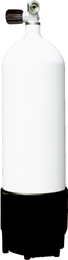
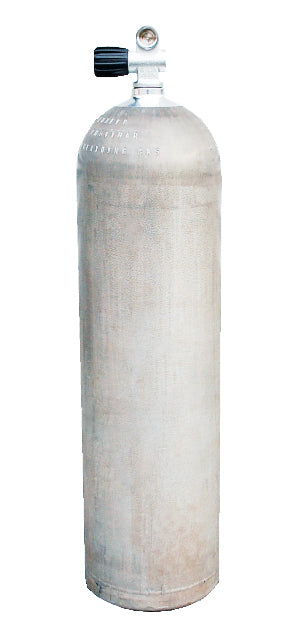
12 Litre Tall 232 Bar Complete Cylinder Package
Vendor:Beaver SportsRegular price £339.99 GBPRegular priceAvailable to order — estimated dispatch in 7–10 working days
-
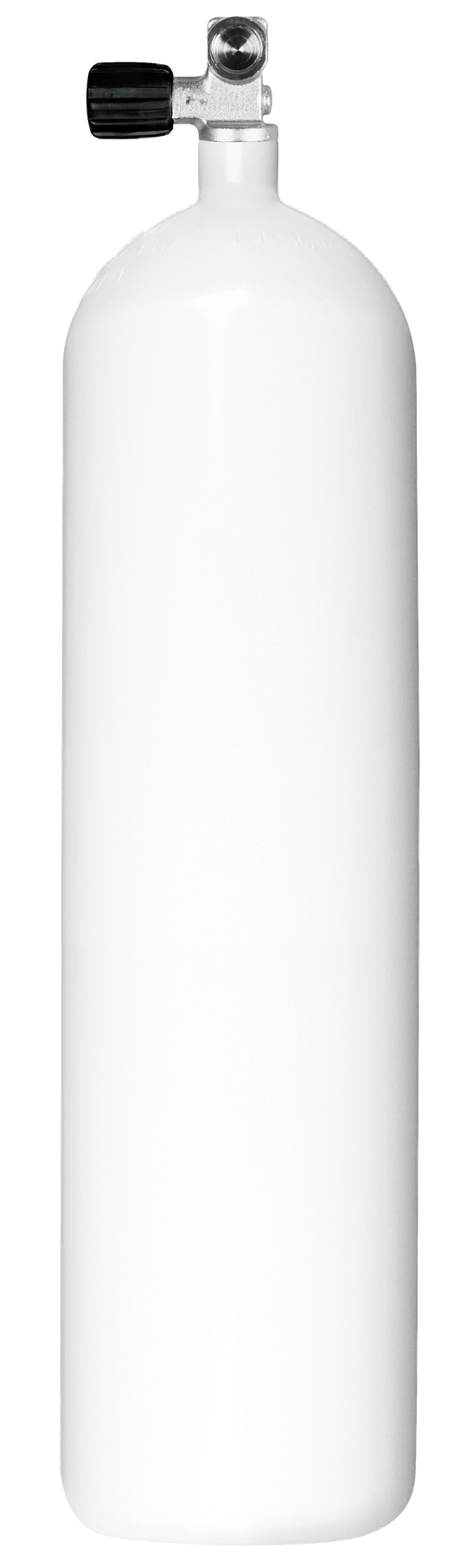
12 Litre Flat Bottom 232 Bar Cylinder & Valve
Vendor:Beaver SportsRegular price £315.99 GBPRegular priceAvailable to order — estimated dispatch in 7–10 working days
-
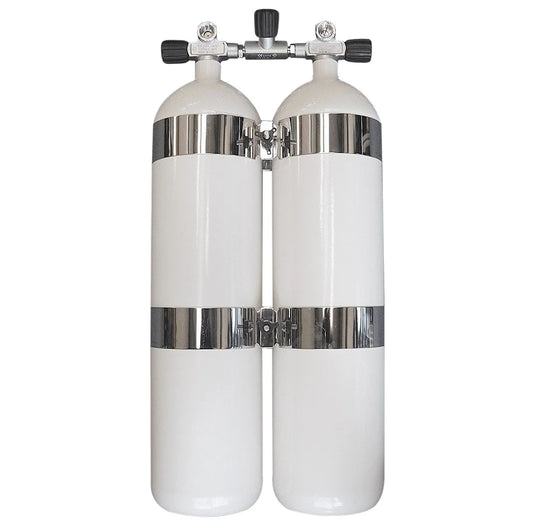
12 Litre Twinset (Flat Bottom)
Vendor:Beaver SportsRegular price £799.00 GBPRegular priceAvailable to order — estimated dispatch in 7–10 working days
-
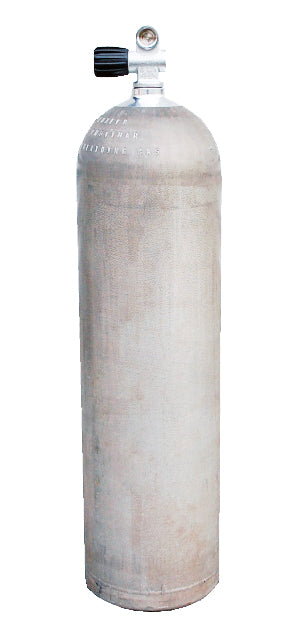
11.1L Aluminium Cylinder & Valve
Vendor:Beaver SportsRegular price £329.99 GBPRegular priceAvailable to order — estimated dispatch in 7–10 working days
-
7 Litre Aluminium Cylinder & Valve
Vendor:Beaver SportsRegular price £249.99 GBPRegular priceAvailable to order — estimated dispatch in 7–10 working days
-
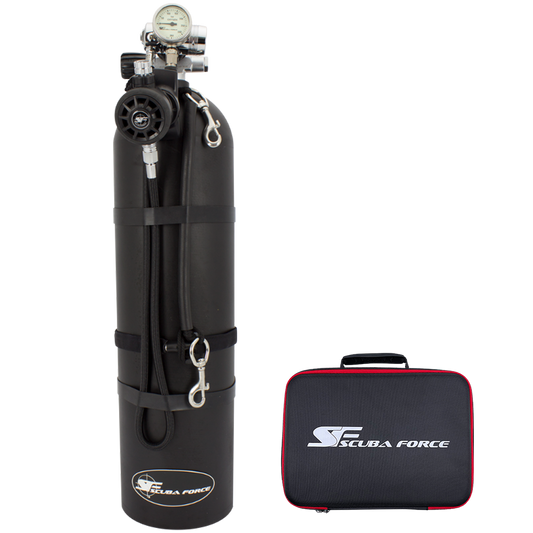
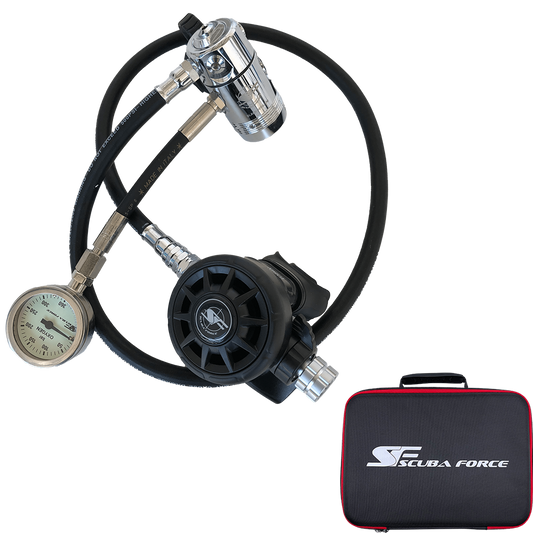
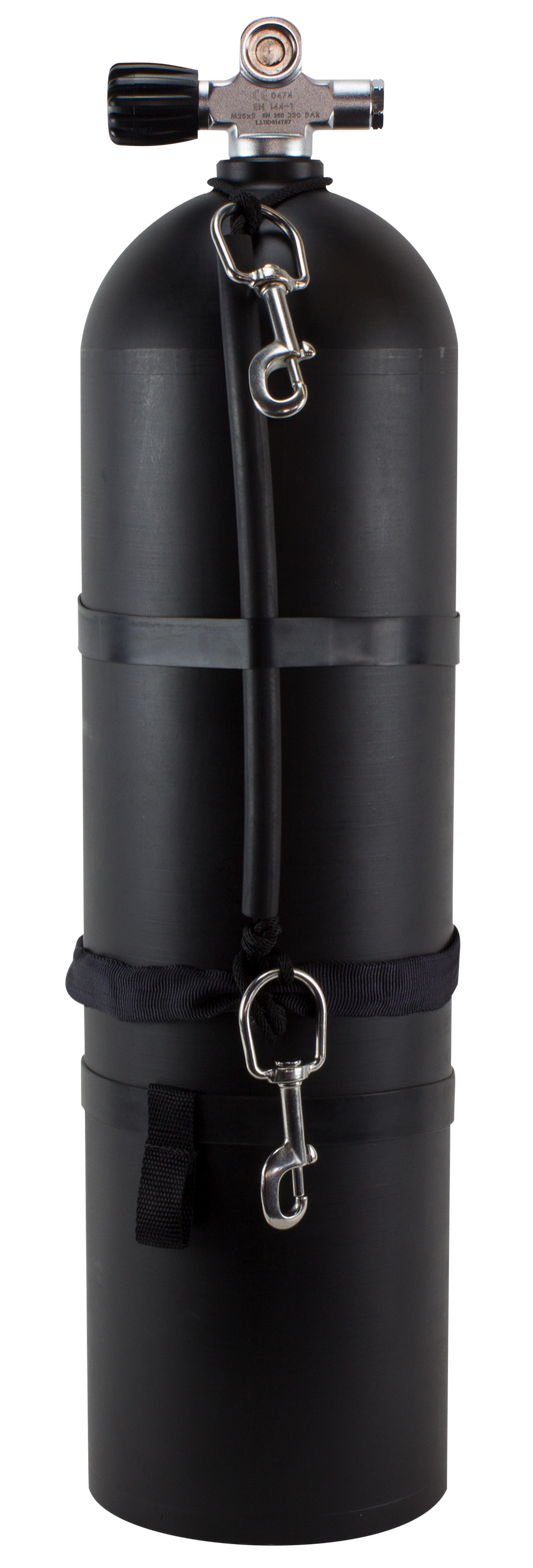
Complete Stage/Bailout Set Package
Vendor:Scuba ForceRegular price From £929.00 GBPRegular price£882.00 GBPSale price From £929.00 GBPAvailable to order — estimated dispatch in 7–10 working days
-
Manifold Centre Section 7" With Isolator
Vendor:Beaver SportsRegular price £69.99 GBPRegular priceAvailable to order — estimated dispatch in 7–10 working days
-
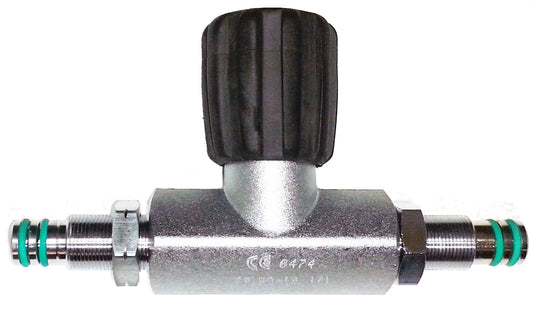
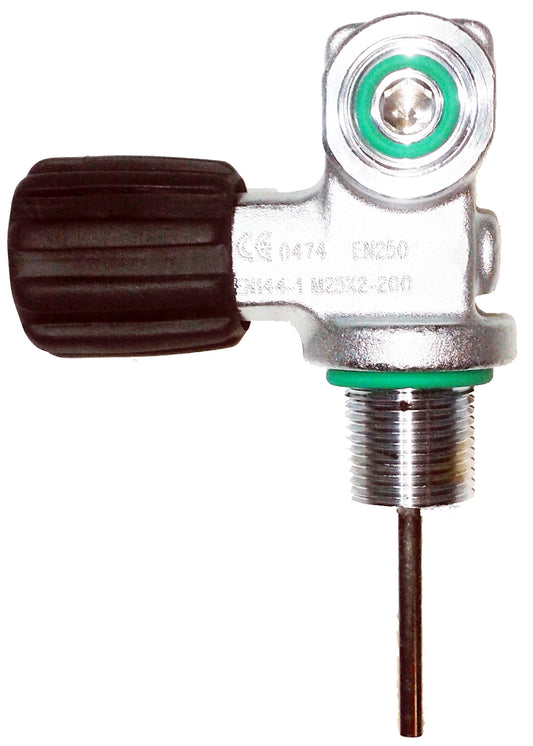
232 Bar XFlow Cylinder Valve M25X2
Vendor:Beaver SportsRegular price £67.99 GBPRegular priceAvailable to order — estimated dispatch in 7–10 working days
-
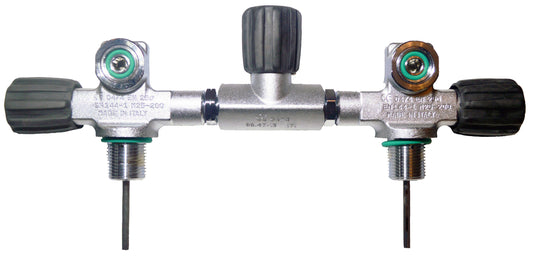
232 Bar Twin 7" Manifold M25X2
Vendor:Beaver SportsRegular price £205.00 GBPRegular priceAvailable to order — estimated dispatch in 7–10 working days
-
Stage Rigging Kit (40cuft & 80cuft)
Vendor:Scuba ForceRegular price £59.00 GBPRegular priceIn stock at Oceanauts — dispatch within 1–2 working days
-
BTS 171mm -7" Stainless Steel Cylinder Twinning Bands
Vendor:BTSRegular price £189.99 GBPRegular priceSold out at Oceanauts
Sold out