Collection: Wetsuits

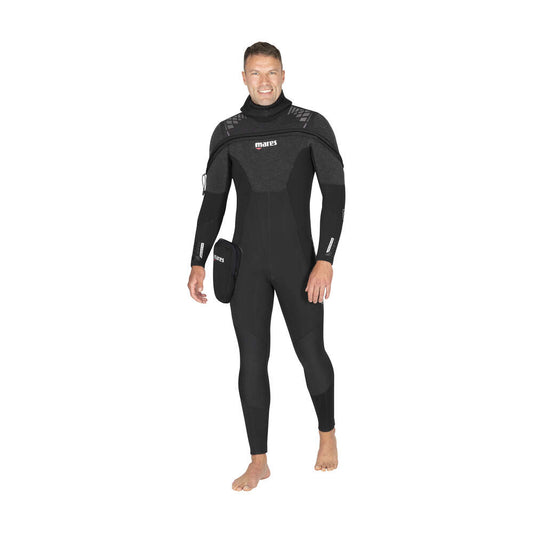
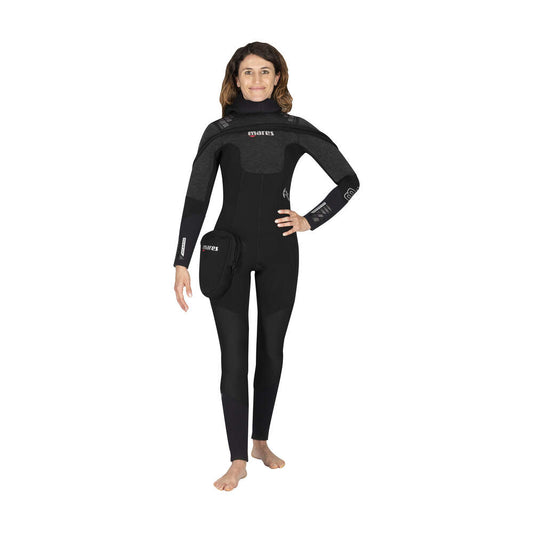
While the Irish Sea often demands a drysuit, a high-quality 5mm or 7mm semi-dry wetsuit has a place for much of the year or for tropical expeditions. Our collection features high-stretch neoprene designs that prioritize thermal protection without sacrificing the range of motion needed for a comfortable dive.

Wetsuits
Oceanauts Academy: Tech Tip ⚙️ +

The Fit is the Filter - A wetsuit doesn't actually keep you dry; it works by trapping a thin layer of water against your skin, which your body then heats up. For this system to work, the fit must be perfect.

1. Eliminating the "Flush" - If your suit is too loose, cold water will "flush" through the neck or wrists every time you move, forcing your body to waste energy reheating new water. Always aim for a "second skin" fit with no air pockets under the arms, behind the knees, or in the small of your back.

2. The Power of Layering - Don't think of your wetsuit as a single-piece solution. You can significantly boost your thermal range by layering:

  • Thermal Base Layers: A thin (1mm or 2mm) titanium-lined vest or "rash guard" worn under the suit provides an extra barrier against flushing.
  • The Hooded Vest: Adding a 3mm or 5mm hooded vest over or under your main suit is the single most effective way to prevent heat loss from your core and head without buying a completely new, thicker suit.

3. Durability: Knee & Shoulder Protection - Wetsuits are a major investment, and the knees and shoulders are the prime areas for wear and tear.

  • Supratex or Kevlar Knees: Look for suits with reinforced knee pads. These are essential for shore entries over rocks or for maintaining stability while kitting up on a moving boat.
  • Shoulder Reinforcement: Your BCD or wing harness puts constant friction on the shoulders of the suit. A suit with a textured or reinforced shoulder print prevents the neoprene from pilling and thinning over time.

Oceanauts Standard: If you can easily pinch a handful of neoprene on your torso while wearing the suit, it’s too big. A correctly fitted suit should feel "snug" on land but disappear once you are in the water.