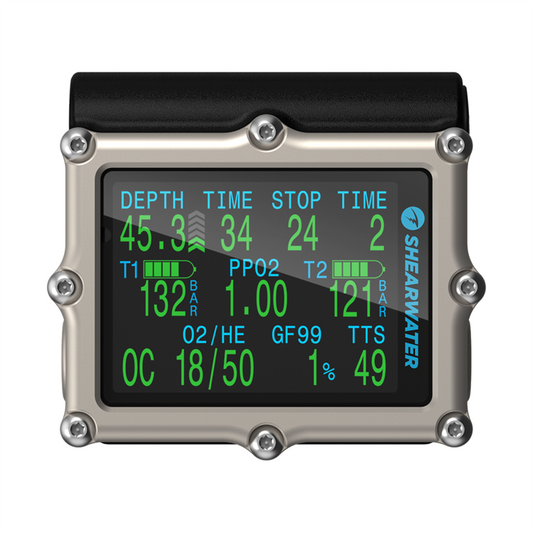
Collection: Computers & Electronics
Data you can trust. This collection features dive computers and monitoring electronics chosen for their sunlight-readable displays, intuitive interfaces, and reliable decompression algorithms. Whether you need a simple bottom timer or a multi-gas technical computer, these devices keep you informed and safe throughout your profile.

-
 Sold out
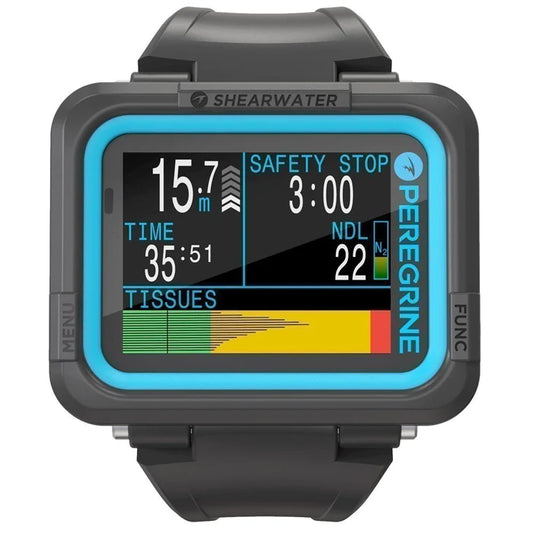
Peregrine Dive Computer
Vendor:ShearwaterRegular price £544.99 GBPRegular price -
 Sold out
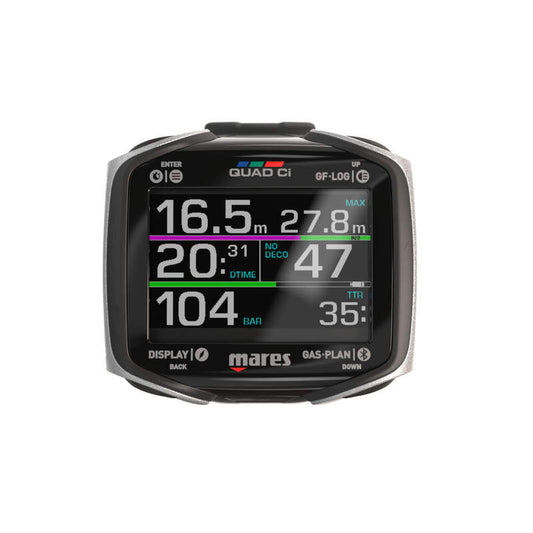
Mares QUAD Ci Computer
Vendor:MaresRegular price £483.00 GBPRegular price -
 Sold out
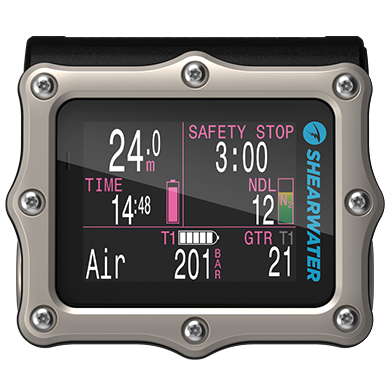
Perdix 2 Dive Computer
Vendor:ShearwaterRegular price £1,123.99 GBPRegular price -
 Sold out
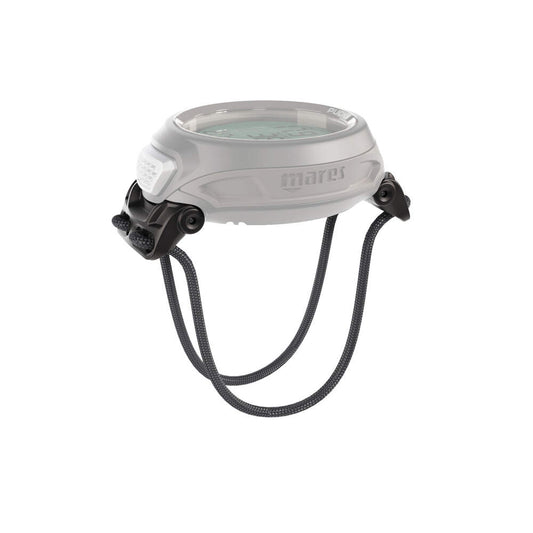
Puck 4 Bungee mount
Vendor:MaresRegular price £21.00 GBPRegular price -
 Sold out
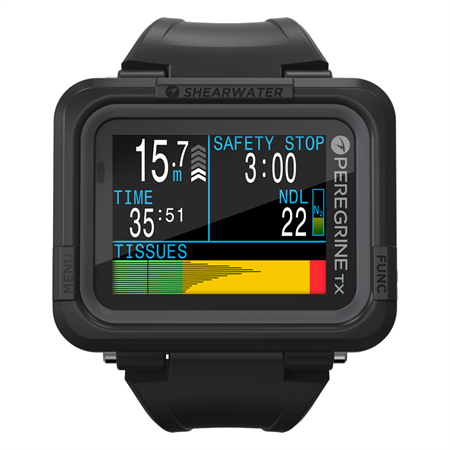
Peregrine TX
Vendor:ShearwaterRegular price £725.99 GBPRegular price -
 Sold out
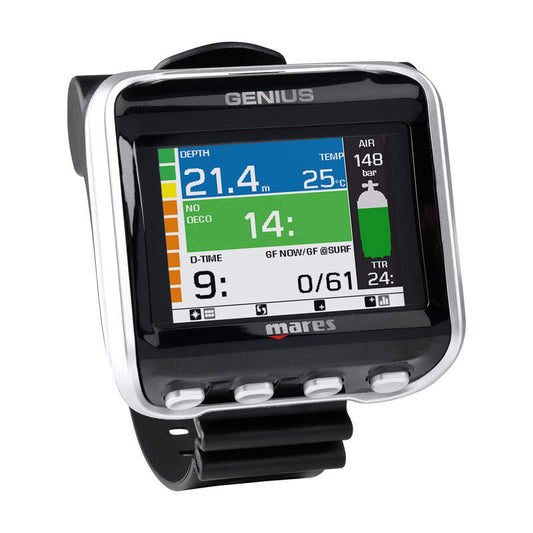
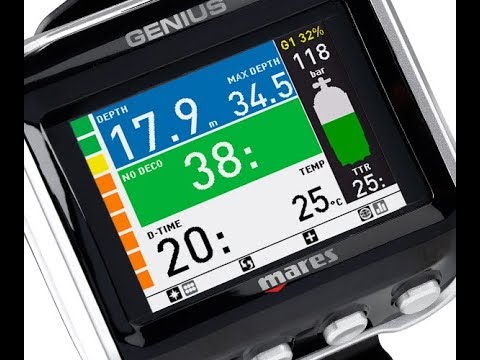
Genius Dive Computer
Vendor:MaresRegular price £791.00 GBPRegular price -
 Sold out
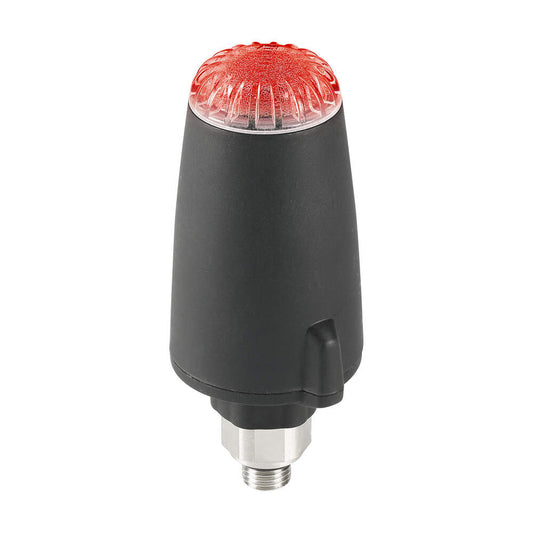
LED Tank Module
Vendor:MaresRegular price £201.00 GBPRegular price -
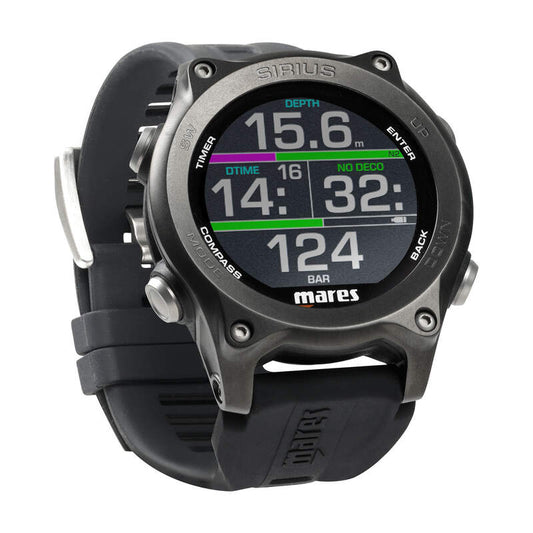
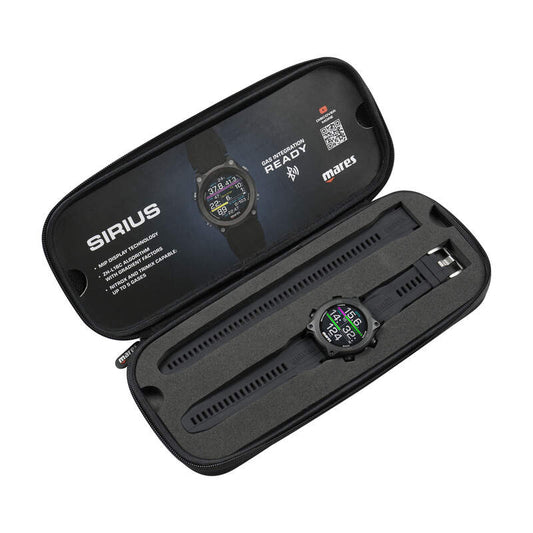
Sirius Dive Computer
Vendor:MaresRegular price £703.00 GBPRegular price -
 Sold out
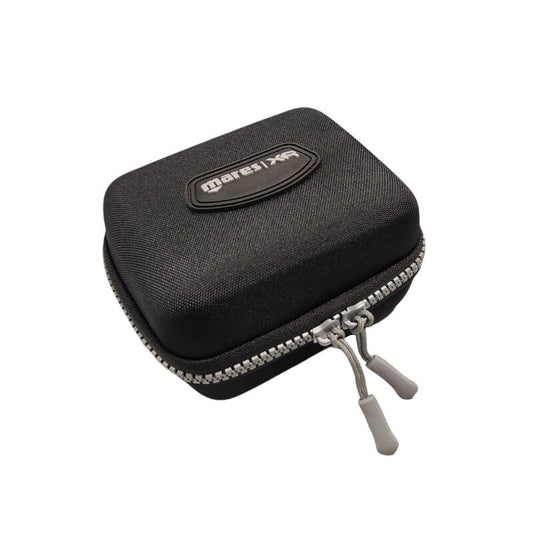
Controller Case - XR Line
Vendor:MaresRegular price £17.00 GBPRegular price -
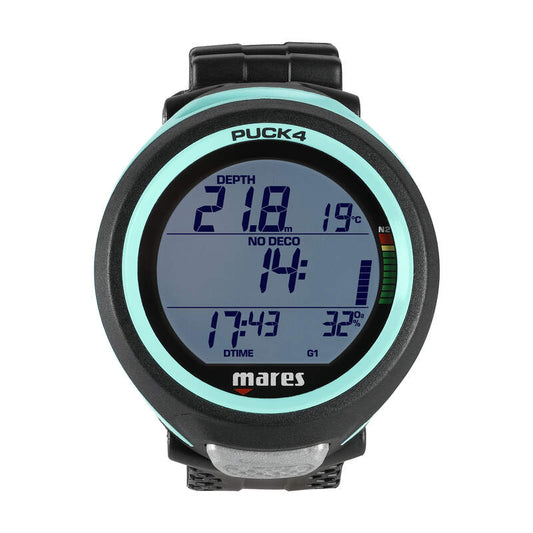
Puck 4 Dive Computer
Vendor:MaresRegular price £246.00 GBPRegular price -
 Sold out
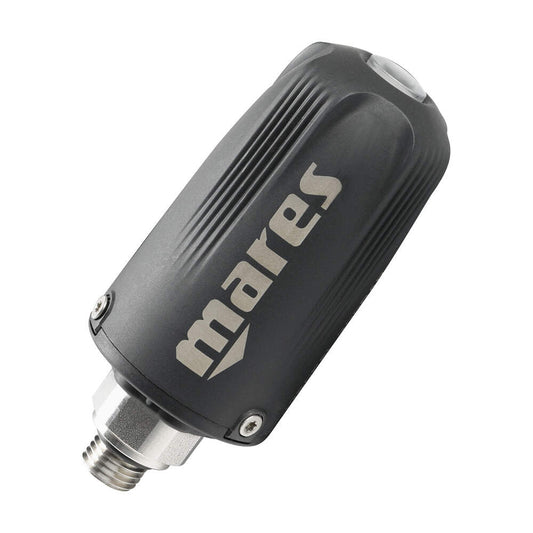
LED Tank Module 2.0
Vendor:MaresRegular price £228.00 GBPRegular price -
 Sold out
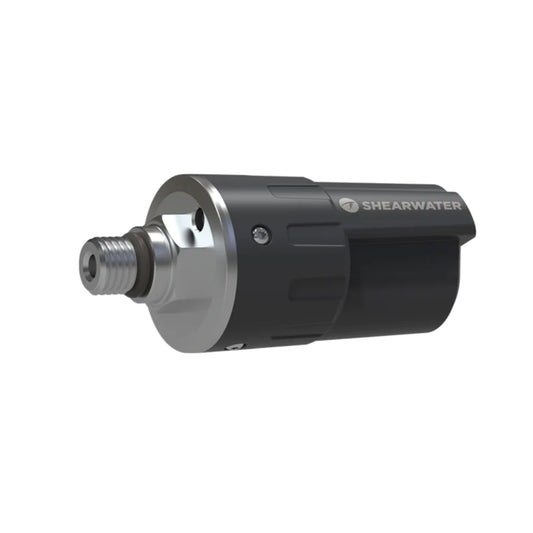
Swift Transmitter
Vendor:ShearwaterRegular price £393.99 GBPRegular price -
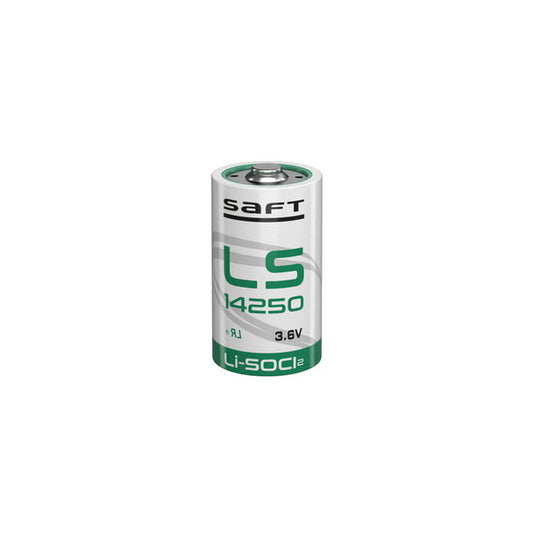
Saft LS14250 Li-SOCI2 3.6V 1/2AA Battery
Vendor:SaftRegular price £3.85 GBPRegular price -
Saft LS14500 Li-SOCI2 3.6V AA Battery
Vendor:SaftRegular price £4.50 GBPRegular price