Collection: Wings & Bladders
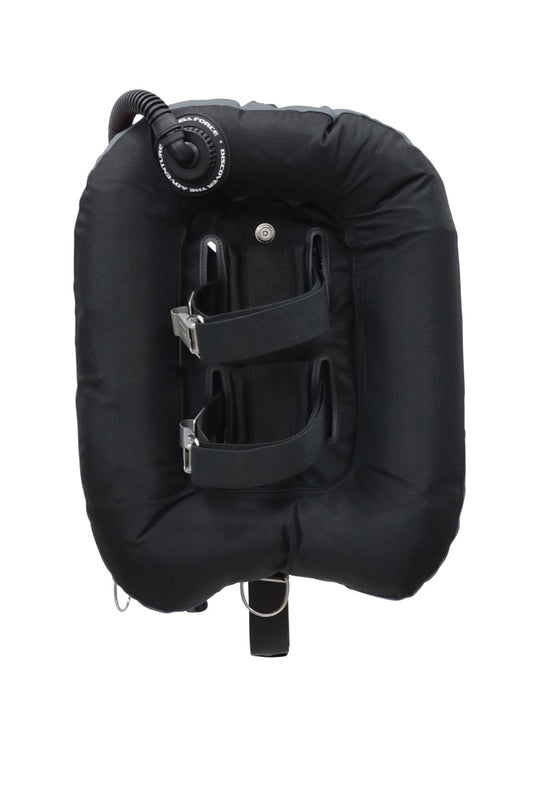
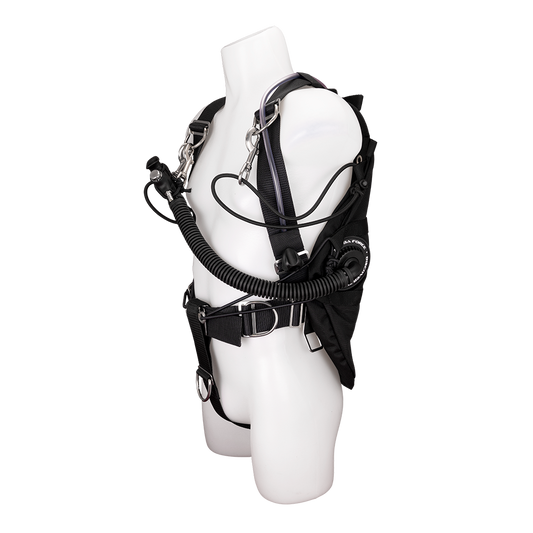
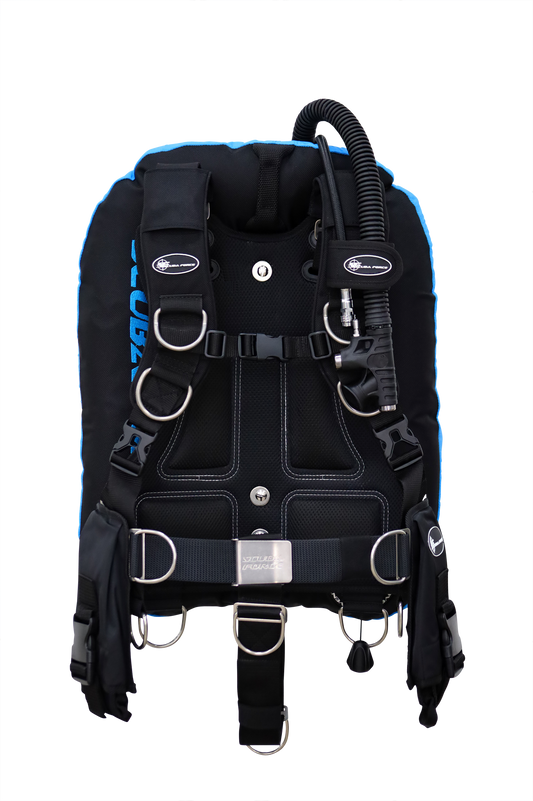
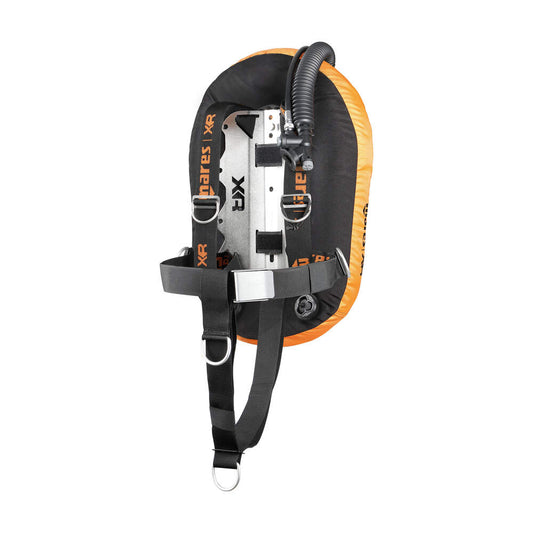
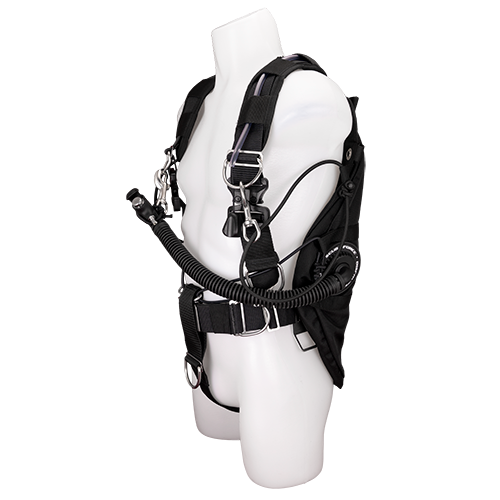
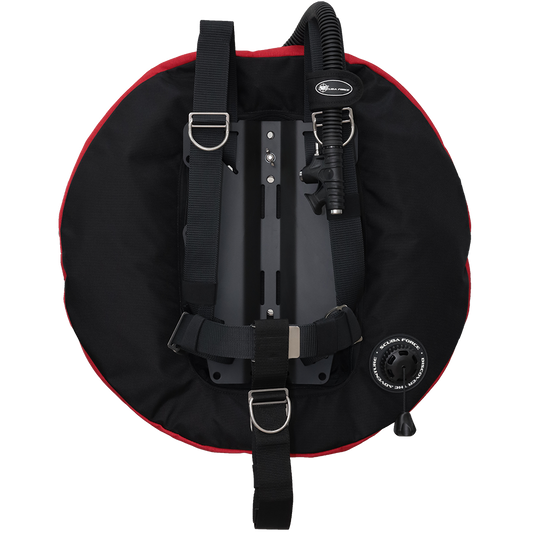
Streamlined lift for total control. Our selection of wings and bladders focuses on the "donut" and "horseshoe" designs favored by technical and advanced recreational divers. These wings are chosen for their rugged outer shells, efficient air migration, and low-profile silhouette in the water, providing the perfect balance of lift and hydrodynamics.

-
CTX 32 Set
Vendor:Scuba ForceRegular price £679.00 GBPRegular price -
Black Devil 32 Mono Wing
Vendor:Scuba ForceRegular price £338.00 GBPRegular price -
Black Devil 45
Vendor:Scuba ForceRegular price £358.00 GBPRegular price -
SCUBA FORCE ULC 32 Ultra-Lightweight System
Vendor:Scuba ForceRegular price £659.00 GBPRegular price -
Blade Set Tech
Vendor:Scuba ForceRegular price £598.00 GBPRegular price -
SCUBA FORCE FZ24 Set
Vendor:Scuba ForceRegular price £549.00 GBPRegular price -
Black Devil Wing 45 CCR
Vendor:Scuba ForceRegular price £359.00 GBPRegular price -
HV Single Backmount Set - XR Line
Vendor:MaresRegular price £515.00 GBPRegular price -
Blade Set Comfort
Vendor:Scuba ForceRegular price £678.00 GBPRegular price -
SCUBA FORCE CTX 45 Set
Vendor:Scuba ForceRegular price £599.00 GBPRegular price -
SCUBA FORCE Tec Set 45 Set
Vendor:Scuba ForceRegular price £599.00 GBPRegular price