Collection: Regulator Systems
The engine of your dive. We specialize in environmentally sealed regulator systems designed to handle the freezing temperatures of the North Atlantic without free-flowing. From high-performance single-tank setups to specialized twinset and stage kits, these regulators deliver consistent, effortless breathing at any depth.

-
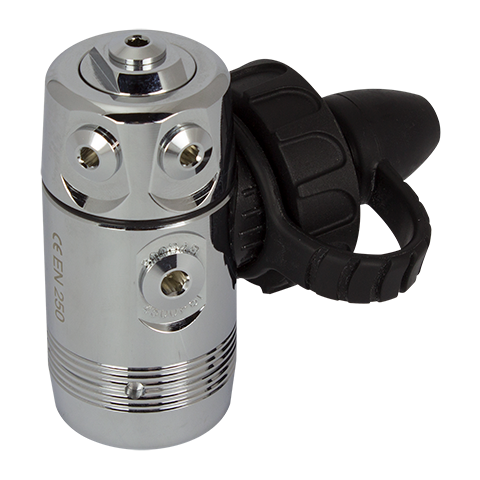
Black Devil SM 1st Stage
Vendor:Scuba ForceRegular price £269.00 GBPRegular priceAvailable to order — estimated dispatch in 7–10 working days
-
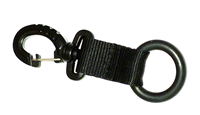
Octo-Clip Octopus Retaining Loop
Vendor:Beaver SportsRegular price £4.99 GBPRegular priceIn stock at Oceanauts — dispatch within 1–2 working days
-
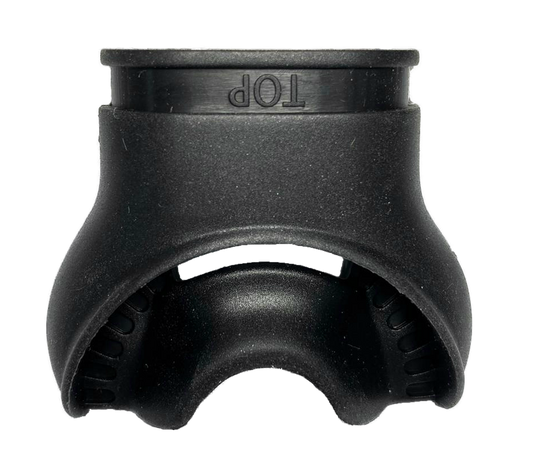
Comfort Mouthpiece
Vendor:Scuba ForceRegular price £6.00 GBPRegular priceIn stock at Oceanauts — dispatch within 1–2 working days
-
Female DIN Regulator Dust Cap
Vendor:Beaver SportsRegular price £4.99 GBPRegular priceIn stock at Oceanauts — dispatch within 1–2 working days
-
 Sold out
Scuba Force Deluxe Regulator Bag
Vendor:Scuba ForceRegular price £35.00 GBPRegular priceUnit price £35.00 each£38.00 GBPSale price £35.00 GBPSold out at Oceanauts
Sold out -
 Sold out
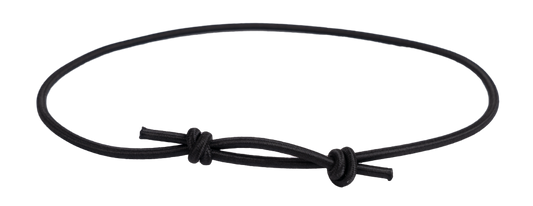
Bungee Necklace
Vendor:Oceanauts DivingRegular price £4.00 GBPRegular priceSold out at Oceanauts
Sold out -
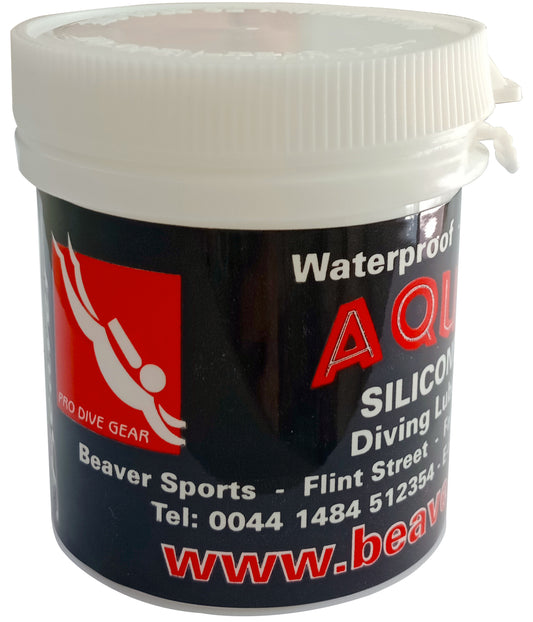
Aquagel - 60g Tub
Vendor:Beaver SportsRegular price £9.99 GBPRegular priceIn stock at Oceanauts — dispatch within 1–2 working days
-
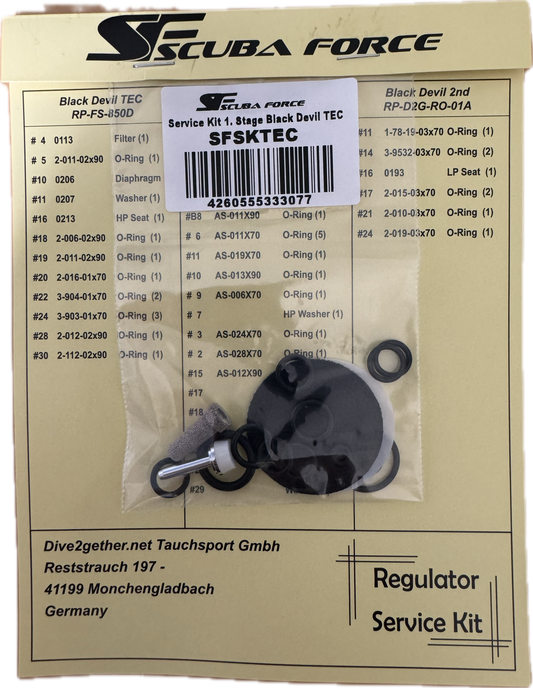
Scuba Force 1st Stage Kit TEC
Vendor:Scuba ForceRegular price £22.00 GBPRegular priceIn stock at Oceanauts — dispatch within 1–2 working days
-
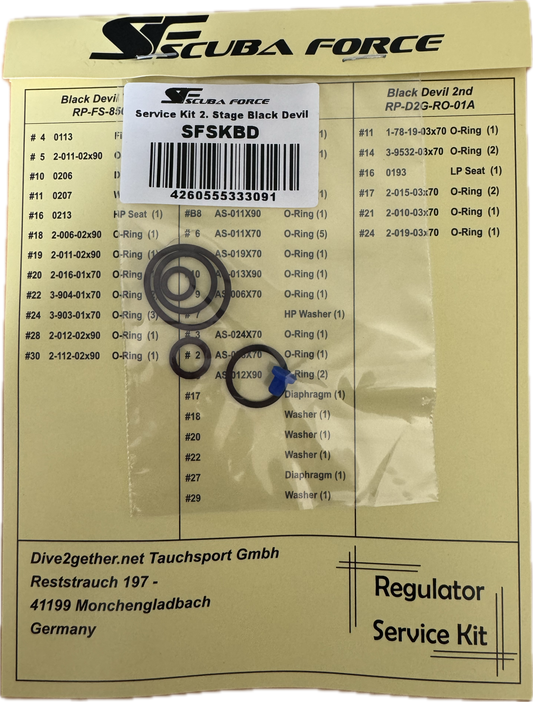
Scuba Force Black Devil Service Kit
Vendor:Scuba ForceRegular price £12.00 GBPRegular priceIn stock at Oceanauts — dispatch within 1–2 working days
-
 Sold out
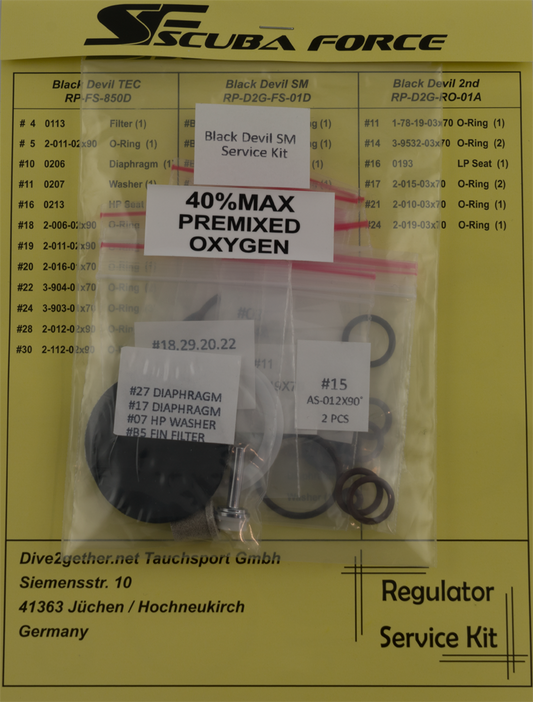
Scuba Force SM Service Kit
Vendor:Scuba ForceRegular price £35.00 GBPRegular priceSold out at Oceanauts
Sold out